
 Call Us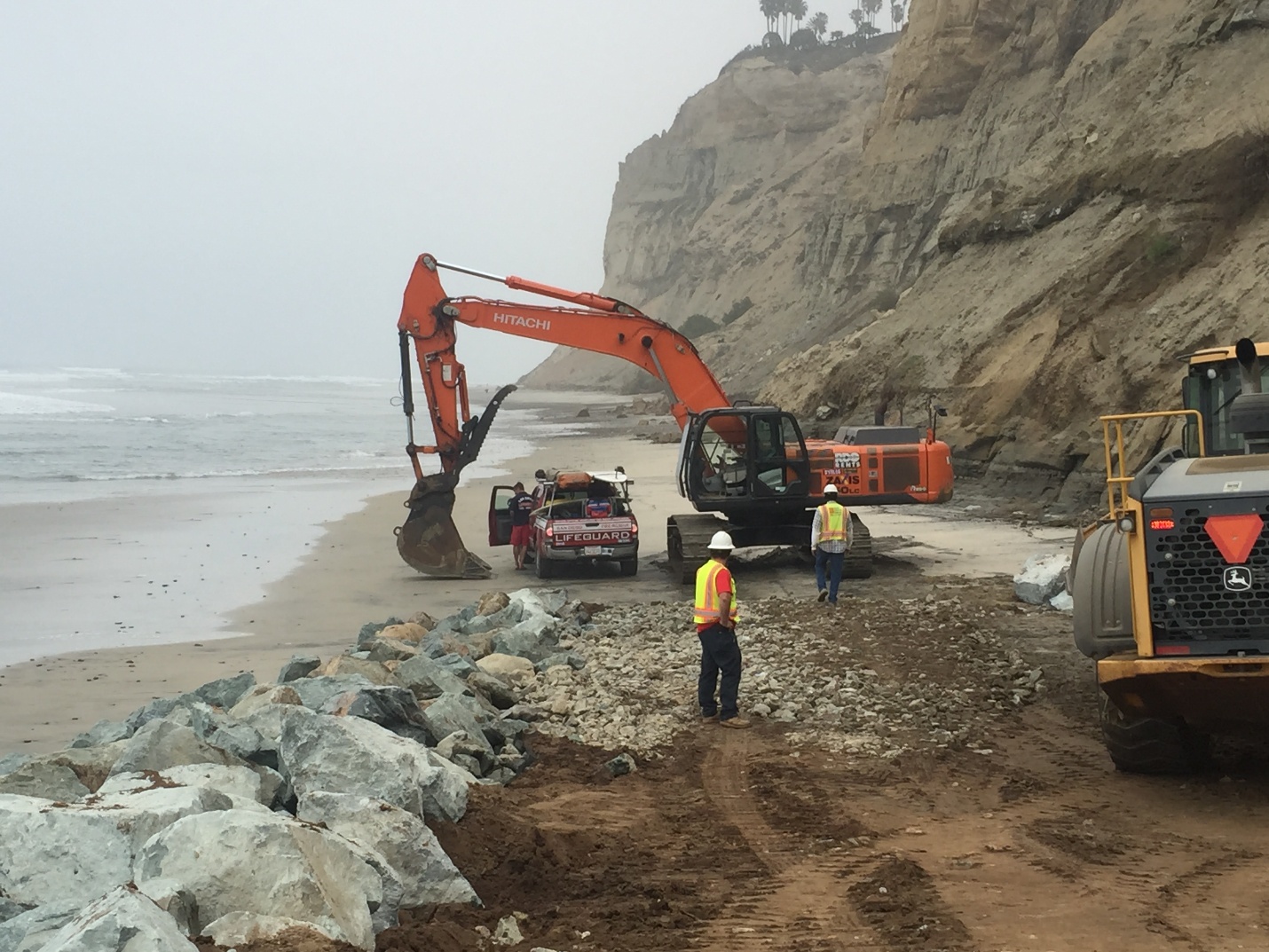
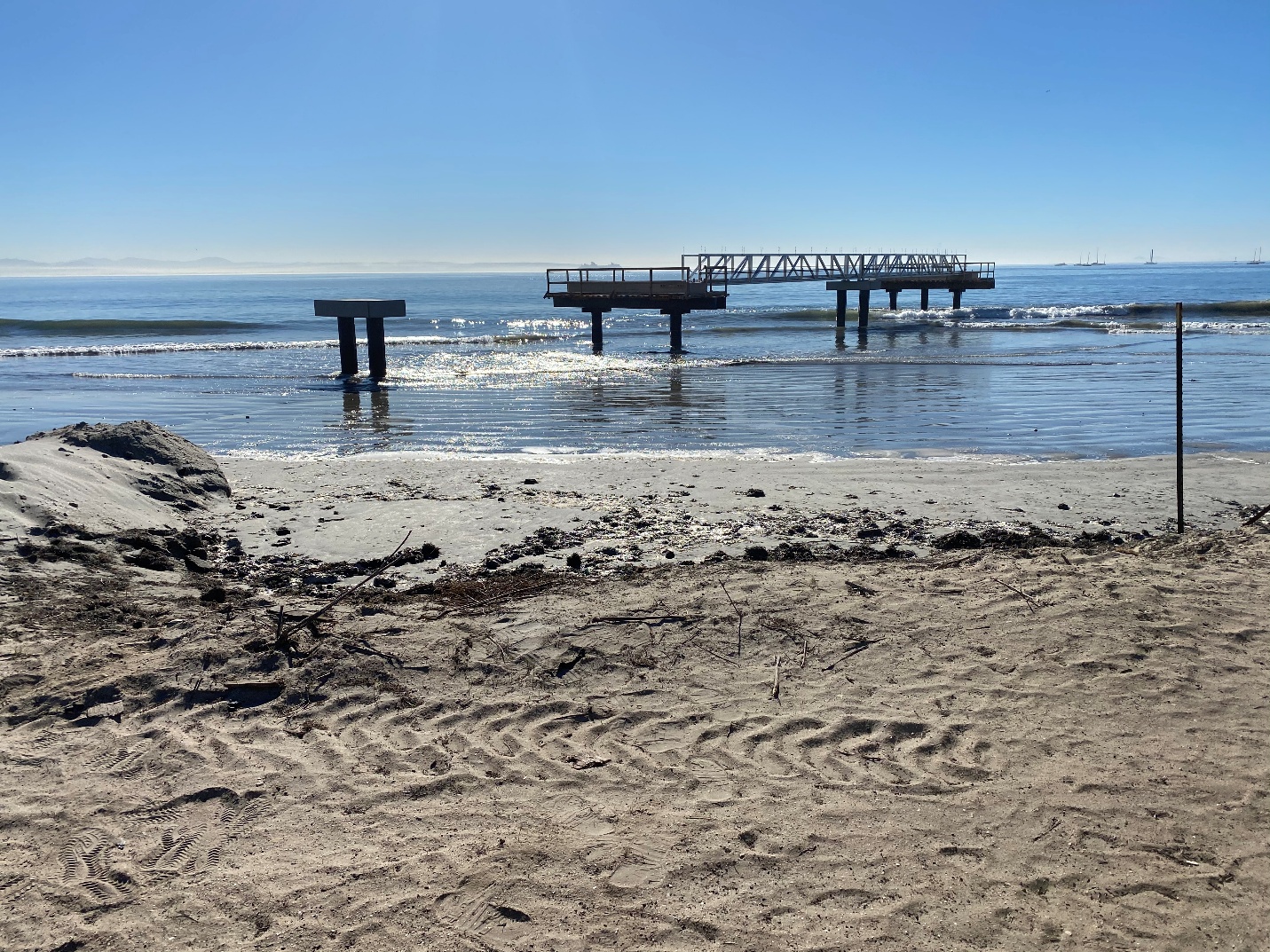
Coastal and heavy civil construction projects are rarely simple. They often involve tight work areas, environmental restrictions, public access concerns, utility conflicts, unknown site conditions, and limited construction windows. On marine and shoreline projects, tides, storms, nesting seasons, water-quality requirements, and long-lead materials can all affect the work.
That is why the project delivery method matters.
Traditional design-bid-build still has an important place in public construction. When the scope is clear, the plans are complete, and the site conditions are well understood, competitive bidding can be an effective approach. But for more complex coastal, marine, environmental, and heavy civil projects, owners may benefit from bringing contractor expertise into the process earlier.
Alternative delivery methods — including Design-Build, Progressive Design-Build, Construction Manager/General Contractor, Construction Manager at Risk, Job Order Contracting, and on-call contracts — can help owners improve constructability, control risk, and make better decisions before construction begins.
Why Delivery Method Matters
On complex infrastructure projects, the delivery method affects more than procurement. It influences when the contractor gets involved, how risks are identified, how design decisions are made, and how quickly the team can respond to field conditions.
In a traditional design-bid-build process, the owner hires a designer to complete the plans and then bids the work to contractors. This can work well for straightforward projects. But on coastal and heavy civil work, waiting until the bid phase to involve the contractor can create problems.
By then, important decisions about access, staging, equipment, materials, sequencing, and environmental compliance may already be made. If those decisions do not match field realities, the project can face delays, change orders, or redesign.
Alternative delivery helps close that gap by involving construction expertise earlier.
Design-Build
Design-Build combines design and construction under one contract. The owner works with a single team responsible for both the design and the finished project.
This approach can be useful when the owner wants one point of accountability, a faster schedule, and closer coordination between design and construction. For coastal projects, Design-Build can help ensure that the selected materials, access plan, equipment, and construction methods are considered while the design is still being developed.
Design-Build works best when the owner can clearly define the project goals and performance requirements, while allowing the design-build team some flexibility in how to achieve them.
Progressive Design-Build
Progressive Design-Build is similar to Design-Build, but the owner selects the team earlier, often before the design is far enough along to establish a final price.
The owner, designer, and contractor then work together during preconstruction to develop the scope, budget, schedule, and risk plan. Once the project is better defined, the parties negotiate a final construction price.
This method can be helpful when the project has significant unknowns, difficult site conditions, environmental constraints, or multiple possible design solutions.
CMGC: Construction Manager/General Contractor
Construction Manager/General Contractor, or CMGC, is often a strong fit for complex public infrastructure work.
Under CMGC, the owner typically keeps a separate contract with the designer but brings a contractor on board during design. The contractor provides constructability reviews, cost estimating, schedule input, phasing recommendations, and risk analysis before construction begins.
For coastal and heavy civil projects, CMGC can help answer practical questions early:
- Can the work be built within the allowed environmental window?
- Is there enough room for staging and access?
- Will the proposed equipment fit the site?
- Are long-lead materials being identified early enough?
- Are there safer or more efficient ways to phase the work?
- Is the owner’s budget realistic?
CMGC gives owners the benefit of early contractor input while allowing them to maintain direct control of the design team.
CMAR: Construction Manager at Risk
Construction Manager at Risk, or CMAR, is another method that brings the contractor into the project during design. The construction manager provides preconstruction services and later delivers the project, often under a guaranteed maximum price.
CMAR can be useful when the owner wants early cost and constructability input, but also wants budget certainty before full construction begins.
Like CMGC, CMAR is often used when phasing, schedule, access, or budget control are major concerns.
Design-Bid-Build Still Has a Place
Alternative delivery methods are useful, but they are not always the best answer.
Design-bid-build remains a good option when the scope is well defined, plans are complete, quantities are clear, and the owner wants a traditional competitive bid process.
The key is choosing the delivery method that fits the project. A simple project may not need early contractor involvement. A complex coastal or heavy civil project often does.
Marathon’s Perspective
Marathon Construction Corporation approaches project delivery from a practical field perspective. Our work often involves difficult access, sensitive environments, public interfaces, environmental compliance, and demanding construction conditions.
For coastal, marine, environmental, and heavy civil projects, early contractor involvement can provide real value. It helps owners evaluate options, identify risks, improve constructability, and make better decisions before construction begins.
Alternative delivery is not about using one method for every project. It is about selecting the right tool for the job.
Whether the best fit is Design-Build, Progressive Design-Build, CMGC, CMAR, Job Order Contracting, on-call construction, or traditional design-bid-build, the goal is the same: deliver safe, durable, and buildable infrastructure with fewer surprises.

 Address
 Email Us
 Contact